User manuals

Need support? reach out to us at hello@bibo.co.za

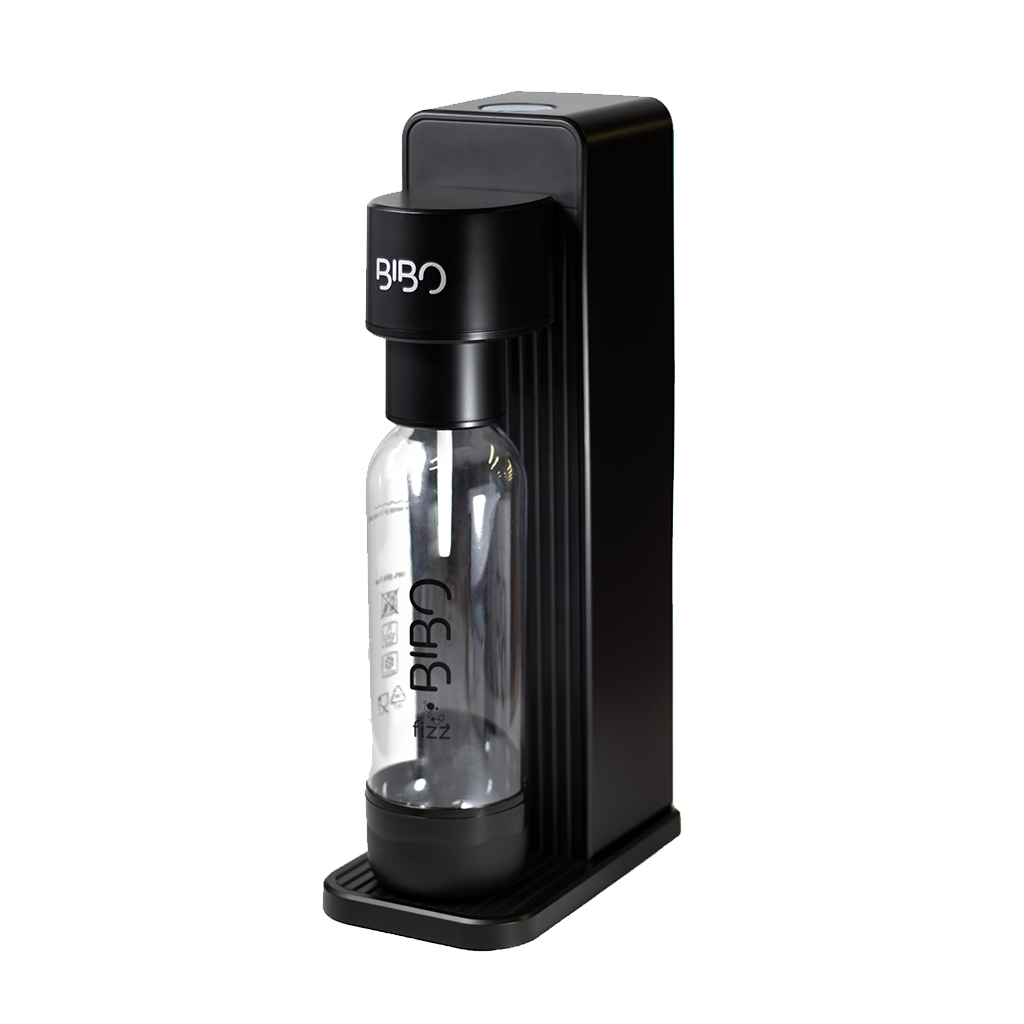
Meet your BIBO fizz bar

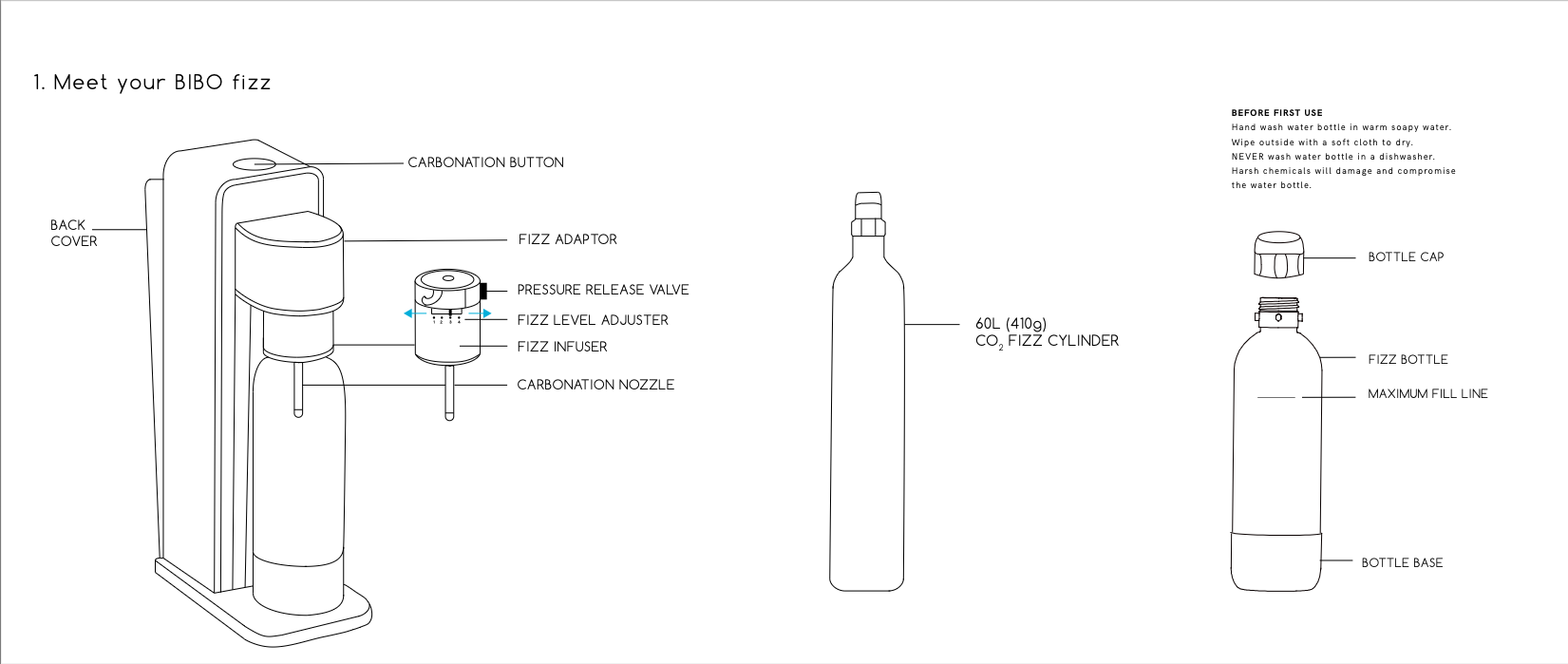
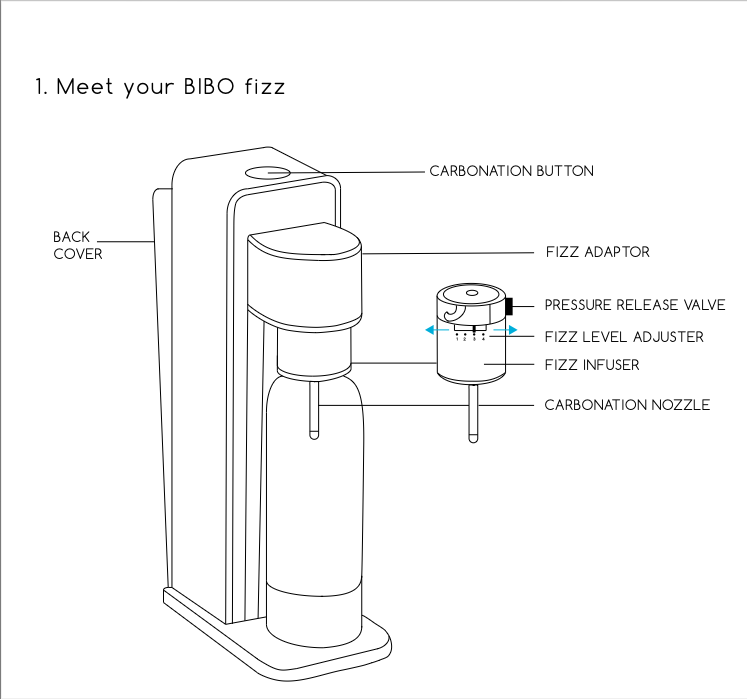
BIBO fizz bar overview

2. Using your BIBO fizz

Take note, before you begin:

  • Only use BIBO specified CO2 cylinder and bottles.
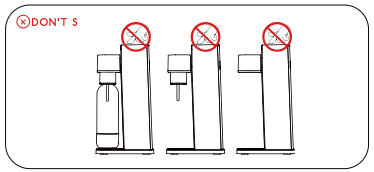
  • Never carbonate if drink bottle is empty or not completely attached.
  • Pulped beverages may clog the pressure release valve; only use pulp-less beverages

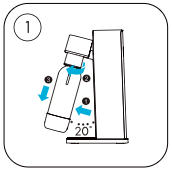
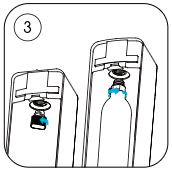
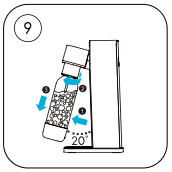
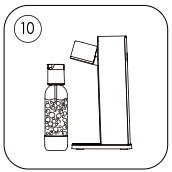
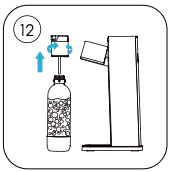
To remove the bottle for filling, pull the bottle from the bottom toward you until it is at a 20 degree angle then twist clockwise to remove.

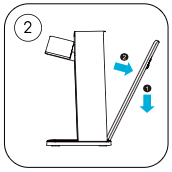
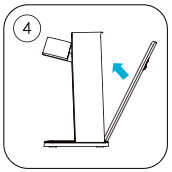
Remove back cover.

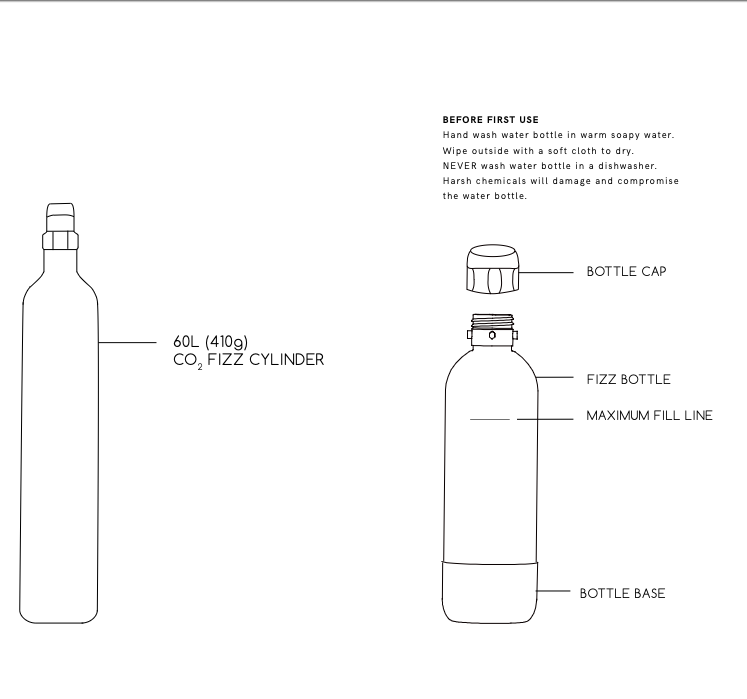
To install the CO2 fizz cylinder, first remove the seal from the CO2 receptacle. Then remove the cap from the cylinder. Twist the cylinder in clockwise until it is hand-tight.

Replace back cover.

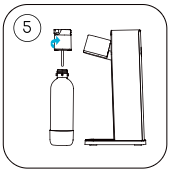
Twist off the fizz infuser counter-clockwise from the bottle. Fill the fizz bottle with your (pulp-less) beverage of choice. Do not fill past the maximum fill line.

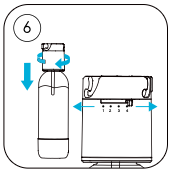
Twist the fizz infuser back on to the fizz bottle by turning clockwise until hand-tight. Adjust the fizz level adaptor to your taste; 1 is the lowest, 4 is the highest intensity. (5.5 grams to 8.8 grams of fizz.)

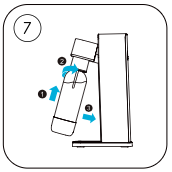
Return the fizz infuser and bottle into place by turning and pushing back to the BIBO fizz unit.

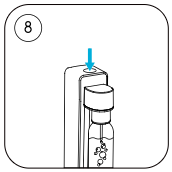
Add fizz by pushing the carbonation button with short bursts. For high foaming beverages use short bursts of 0.25 seconds each, allowing the bubbles to settle between press- es. For low foaming beverages longer presses can be used. Learn from experience to limit foam from entering the top of the bottle. Stop carbonating when a discharge sound is heard.

Pull the bottle forward and unscrew by turning clockwise. Gently shake the bottle and fizz infuser assembly to increase carbonation level.

Place the bottle with the attached fizz infuser on to a level surface.

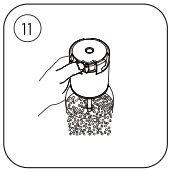
Open the pressure release valve, paying attention to the foam levels in the bottle. If the foam reaches the top of the bottle, close the release valve and wait for foam to settle before releasing again. If the foam reaches the top too quickly, next time shorten your carbonation pushes. If the release valve is open and the sound of air coming out stops, release it all the way to make sure pressure is fully released. (For water you can press the release button to the full extent at any time.)

When the fizz infuser is fully de-pressurised unscrew the fizz infuser counter-clockwise from the bottle and pour yourself your delicious fresh fizz. Take care not to pour too quickly, some beverages will foam significantly more than others. Learn from experimentation and enjoy your drinks.

Care and Cleaning

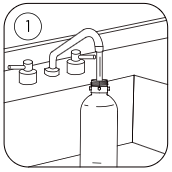
Rinse fizz bottle with clean water after every use. BIBO bottle base can be removed by twisting for easy cleaning.
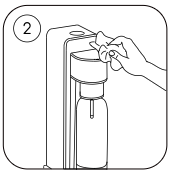
To clean your BIBO fizz, wipe with a damp cloth. Do not immerse unit in water or use any solvents or abrasive cleaners since this could damage the surface.
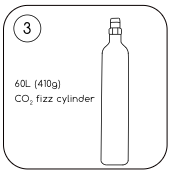
Empty CO₂ fizz cylinders may be exchanged for a full cylinder at BIBO or an authorised distributor.
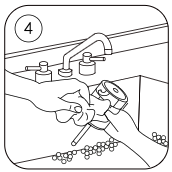
Make sure to wash the fizz infuser after every use under running water. The fizz infuser allows you to carbonate non-water based beverages because it can both slowly relieve pressure and can be easily cleaned. This is especially important if foam came out of the valve during use.

WARNING! Damaged water bottles can fail during carbonation. Hand wash the bottle with soap and water. Never place the water bottle in a dishwasher. Never use brushes, abrasives or chemical cleaners. Replace the bottle if it is scratched, deformed or past the expiration date (2 years from first use).

ADVICE FOR BEST RESULTS

  • Use the coldest temperature beverage possible 33°F to 42°F or 0.5°C to 5.5°C.
  • Use the table as a reference for the carbonation of beverages.

Press Length
(Seconds)
Number of
Presses
WATER 1 2-3
SYRUP 0.75 4-5
JUICE .25-1 4-20
WINE .25-1 4-20
BEER 0.25 12-20

Important Operation and Safety Instructions

This appliance is intended for countertop us only.

1.
Do not store any part of your BIBO fizz, including the bottle, machine or CO₂ cylinder, in the freezer or near heat.
2.
Ensure the CO₂ cylinder is kept at room temperature. If for any reason it is colder or warmer, it must be gradually returned to room temperature. Avoid freezer or heater use.
3.
Explosion Hazard: Exposing CO₂ cylinder to heat can cause pressure to build up and release CO₂ gas unexpectedly. If so, do not touch the cylinder until the discharging of CO₂ has stopped and the cylinder has come to room temperature.
4.
Burn Hazard: Escaping CO₂ gas can freeze skin. Handle with care.
5.
Bottle storage temperature range: +1°C to +40°C. Do not exceed.
6.
No DIY fixes! Only authorised BIBO personnel may repair the unit.
7.
Do not submerge or clean the unit during operation.
8.
Hand wash bottle only. No dishwasher or harsh cleaning tools.
9.
Never transport the unit with a full bottle attached.
10.
Always keep the unit upright while operating.
11.
Use on a flat, stable, water-resistant surface.
12.
Only use BIBO fizz bottles and BIBO fizz CO₂ cylinders. DO NOT use with any other CO₂ source.
13.
Do not use bottles that are scratched, discoloured, or expired. NOTE: bottles expire after 2 years from first use.
14.
Check that the CO₂ cylinder and fizz bottle are securely attached before use.
15.
Only carbonate when a filled fizz bottle is inserted. No CO₂ into empty bottles.
16.
Only carbonate pulp-free drinks.
17.
Ensure that the fizz adaptor is at a 20 degree outward angle before inserting or removing the fizz infuser. Never force in or out.
18.
If beverage foams, slow down carbonation and wait for it to settle.
19.
Warning: Bottle contents are pressurized. Never remove fizz Infuser while the bottle is pressurized.Release all pressure using the pressure release valve to achieve this.

Troubleshooting

Use this guide to quickly identify and resolve common issues with your BIBO fizz bar. 

Problem Probable Cause / Solution
No carbonation • CO₂ cylinder may be empty. Replace it.
• Cylinder is too cold. Wait until cylinder reaches room temperature..
• Beverage is too warm. Use cold beverage.
• Ensure cylinder is properly installed into the fizz adaptor.
Slight carbonation • CO₂ did not mix well with beverage. Wait 10 seconds before releasing the pressure to allow for mixing.
• CO₂ cylinder may be empty. Replace it.
• Cylinder is too cold. Wait until cylinder to reaches room temperature.
• Beverage is too warm. Use cold beverage.
• Press carbonation button longer.
Hard to remove bottle after carbonating • There is excess CO₂. Press the pressure-release valve until all excess CO₂ is released.
Foam rises too quickly • Use shorter carbonation bursts.
• Wait longer between each carbonation press.
• Experiment with different liquids to avoid foam overflow.
• Pour less beverage to leave room for bubbles to rise.

If you’re still a little stuck and find that your BIBO fizz bar is still not operating as it should, or if a problem persists, please contact us via email at hello@bibo.co.za or call us on 0800 00 BIBO (2426).